
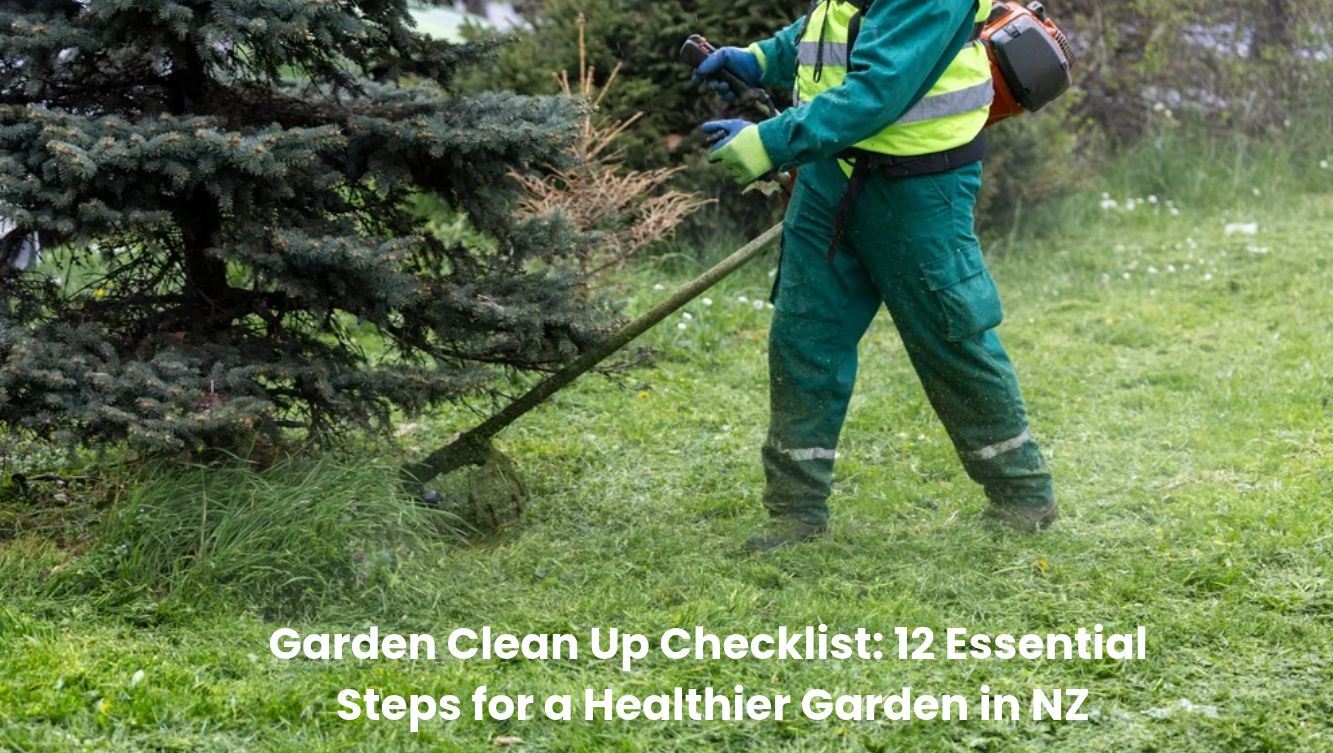
A healthy garden does not happen by accident. Over time, fallen leaves, weeds, overgrown plants, dead branches and built-up garden waste can make even a well-designed outdoor space look untidy. More importantly, neglecting these issues can affect plant growth, lawn health, drainage and the overall condition of your property.
In New Zealand, changing weather makes regular garden maintenance especially important. Wet winters can leave lawns muddy and garden beds waterlogged, while warmer months encourage rapid weed growth and make lawns and plants more demanding to maintain. Coastal conditions, strong winds and regional rainfall patterns can also influence how often a garden needs attention.
A proper garden clean up is more than simply removing visible rubbish. It involves checking the condition of plants, improving garden beds, clearing drainage areas, managing weeds and preparing outdoor spaces for the next growing season.
Whether you maintain a small residential garden, manage a rental property or look after a commercial outdoor area, this practical checklist will help you get better results.
What Is a Garden Clean Up?
A garden clean up is a planned maintenance process that removes unwanted growth, garden waste and damaged plant material while restoring order and supporting healthy plant development.
It commonly includes:
- Removing fallen leaves, dead plants and garden debris.
- Cutting back overgrown shrubs and hedges where appropriate.
- Removing weeds before they spread.
- Clearing pathways, edges and outdoor areas.
- Improving garden beds with suitable mulch or compost.
- Checking lawns, drainage and soil conditions.
- Disposing of green waste responsibly.
Quick Answer: A garden clean up helps keep outdoor spaces tidy, reduces weed and pest problems, improves lawn and plant health, and makes ongoing garden maintenance easier.
The best approach is to work through the garden systematically rather than simply cutting everything back. Different plants have different pruning requirements, and removing too much growth at the wrong time can cause unnecessary damage.
Why Is Regular Garden Clean Up Important in New Zealand?
New Zealand gardens experience different growing conditions depending on location. Auckland and Northland often have humid, relatively mild conditions, while parts of the South Island experience colder winters. Wind exposure, rainfall, soil type and sunlight also influence garden maintenance needs.
Regular clean-ups help property owners manage these changing conditions.
For example, wet weather can encourage moss, weeds and lawn problems. Fallen leaves may cover grass and block drainage points. During warmer weather, fast-growing weeds and shrubs can quickly become difficult to control.
A neglected garden can lead to:
- Weeds compete with desirable plants for nutrients and water.
- Dead leaves and debris covering lawn areas.
- Poor airflow around dense shrubs.
- Blocked drains and water collecting in unwanted areas.
- Untidy pathways and potentially slippery outdoor surfaces.
- More demanding maintenance later.
A useful principle is to deal with small garden problems before they become large maintenance jobs.
The 12-Step Garden Clean Up Checklist
Follow these twelve steps to bring your garden back into good condition. You can complete them over a weekend or divide the work into smaller sessions.
1. Inspect the Entire Garden Before Starting
Begin with a walk around your property. Look at the lawn, garden beds, trees, hedges, pathways, fences and outdoor entertaining areas.
Do not start cutting or removing plants immediately. First, identify what needs attention.
Look for:
- Overgrown shrubs and branches.
- Dead or unhealthy plants.
- Weed growth in garden beds and lawn edges.
- Fallen leaves and accumulated green waste.
- Bare patches or damaged lawn areas.
- Blocked drains and areas where water collects.
- Damaged garden borders or uneven pathways.
Make a simple list and prioritise safety issues, drainage problems and heavily overgrown areas.
Expert tip: Take photographs before starting. They make it easier to compare the garden’s condition after the clean-up and identify areas that need ongoing attention.
2. Remove Fallen Leaves and Garden Debris
Leaves, twigs, dead flowers and other organic debris can accumulate quickly, particularly after windy or wet weather.
Remove debris from lawns, pathways, garden beds and around outdoor structures. Pay particular attention to thick layers of leaves on grass. When wet, they can block sunlight and restrict airflow, creating conditions that may contribute to lawn deterioration.
Use a rake or leaf blower where suitable, and collect the material for composting or green-waste disposal.
Not every fallen leaf needs to be removed. A thin layer of suitable organic material can support soil life in some garden beds. The important thing is to prevent excessive accumulation around plants and lawn surfaces.
3. Remove Weeds Before They Spread
Weeds are easier to manage when they are young and have not produced seeds.
Check garden beds, lawn edges, cracks in paving, fence lines and areas beneath shrubs. Remove weeds carefully, including as much of the root system as practical.
Common garden weeds can spread through seeds, runners or underground roots. Simply cutting off the visible growth may not solve the problem.
For better results:
- Remove weeds before they flower and produce seeds.
- Pull out small weeds when the soil is slightly moist.
- Use suitable hand tools for established weeds.
- Avoid disturbing desirable plant roots.
- Dispose of invasive or seeding weeds appropriately.
If using weed-control products, follow the label instructions and protect nearby plants, pets and people.
4. Prune Dead and Damaged Branches
Pruning improves the appearance of a garden and helps remove damaged or unhealthy growth. Start with dead, broken, diseased or crossing branches.
Use clean, sharp pruning tools and make appropriate cuts without damaging the main stem or surrounding plant tissue.
However, avoid pruning every shrub at the same time. Some flowering plants produce flowers on older growth, while others flower on new growth. Cutting them back at the wrong time can reduce flowering.
Large branches near power lines, buildings or public areas should be assessed by a qualified professional. Tree work involving height or heavy branches can be dangerous.
5. Trim Overgrown Hedges and Shrubs
Hedges and shrubs provide privacy, structure and visual balance. When they become overgrown, they can block pathways, cover windows and make outdoor spaces feel smaller.
Trim them according to their species, growth pattern and seasonal requirements.
For an even result:
- Identify the plant before trimming.
- Remove dead or damaged growth first.
- Avoid cutting too deeply into old wood unless the species can tolerate it.
- Keep pathways and entrances clear.
- Check for nesting birds and wildlife before significant trimming.
Regular light maintenance is generally easier on plants than allowing them to become heavily overgrown and then cutting them back drastically.
6. Clean and Refresh Garden Beds
Garden beds often collect weeds, dead leaves, fallen branches and unwanted plant growth.
Remove the debris, carefully loosen compacted surface material where appropriate, and check whether existing plants have enough room to grow.
If a garden bed looks crowded, consider whether some plants need dividing, relocating or removing. Avoid disturbing established roots unnecessarily.
You can also add suitable compost or organic matter to improve soil structure. The right material depends on the soil and plants in the bed.
In simple terms: Healthy garden beds need suitable soil, enough space, appropriate moisture and regular weed control. Cleaning the surface is only the first step.
7. Apply Mulch Where It Is Needed
Mulching helps protect soil, reduce moisture loss, suppress some weed growth and moderate soil temperature.
Organic mulch, such as suitable bark or wood-based products, can be useful around shrubs, trees and established garden beds.
For good results:
- Remove existing weeds before applying mulch.
- Spread an even layer suited to the material and garden.
- Keep mulch away from plant stems and tree trunks.
- Avoid covering plant crowns.
- Check soil moisture before adding more material.
A common mistake is piling mulch directly against tree trunks. This can hold excess moisture against the bark and contribute to plant health problems.
8. Give Your Lawn Attention
A garden clean up should include the lawn, not just the garden beds.
Start by removing leaves, sticks and other debris. Check for bare patches, compacted areas, moss, weeds and uneven growth.
If the grass is too long, mow it gradually rather than cutting it extremely short in one session. Removing too much leaf growth at once can stress the grass, particularly during dry or hot conditions.
Depending on the lawn’s condition, it may also benefit from:
- Appropriate mowing and edge trimming.
- Seasonal fertilising based on grass needs.
- Soil aeration where compaction is a problem.
- Suitable watering practices.
- Repairing bare patches.
- Targeted weed management.
The correct treatment depends on the grass variety, soil, weather and amount of foot traffic.
9. Check Drainage and Areas That Hold Water
Poor drainage can affect both lawns and garden beds. Water that remains around plant roots for extended periods may reduce oxygen availability and encourage root problems.
After rainfall, look for:
- Water collecting in lawn depressions.
- Overflowing or blocked drains.
- Soil washing away from garden beds.
- Muddy areas near pathways.
- Water flowing towards buildings.
Clear accessible surface debris from drainage grates and channels. Do not attempt complex drainage repairs without understanding the cause of the problem.
Persistent waterlogging may require professional assessment. Compacted soil, incorrect ground levels and unsuitable drainage systems can all contribute.
10. Clean Pathways, Edges and Outdoor Areas
A tidy garden should look well maintained from the entrance to the back fence.
Remove weeds growing between paving stones, sweep paths, clear leaves from steps and tidy the edges around lawns and garden beds.
Pay particular attention to slippery surfaces. Moss and wet organic material can make paths and steps hazardous.
Use cleaning methods suitable for the surface. Excessive water pressure can damage paving, timber and garden structures.
For residential properties, clean outdoor areas improve everyday usability. For commercial properties, they also help create a more professional first impression for visitors, customers and employees.
11. Inspect Plants and Check for Pest or Disease Problems
A clean-up is a good opportunity to look more closely at plant health.
Check leaves, stems and the base of plants for unusual marks, discolouration, damaged growth, insects or signs of disease.
Common warning signs include:
- Yellowing or unusually spotted leaves.
- Stunted growth.
- Chewed foliage.
- Wilting despite suitable watering.
- Rotting stems or roots.
- Unusual fungal growth.
Do not automatically treat every damaged plant with a pesticide or fungicide. First, identify the likely cause. Water stress, nutrient problems, poor drainage and pests can sometimes produce similar symptoms.
Remove clearly diseased plant material where appropriate, clean tools between affected plants and seek specialist advice if the problem continues.
12. Dispose of Green Waste and Plan Ongoing Maintenance
The final step is to remove the waste created during the clean-up.
Separate suitable compostable material from weeds, diseased plant material and other rubbish. Follow local council guidance for green-waste collection and disposal.
Once the garden is clean, create a simple maintenance schedule.
A practical routine might include:
| Frequency | Recommended garden tasks |
| Weekly or fortnightly | Check weeds, remove debris and mow when needed |
| Monthly | Inspect hedges, garden beds and lawn condition |
| Seasonally | Review pruning, planting, mulching and fertilising needs |
| After storms | Check fallen branches, drainage and damaged plants |
The frequency depends on garden size, plant types, weather and how quickly the outdoor space grows.
Seasonal Garden Clean Up Tips for New Zealand
New Zealand gardens benefit from maintenance that follows local growing conditions rather than a rigid calendar.
Spring: Prepare for Active Growth
Spring is a useful time to remove winter debris, control emerging weeds, refresh garden beds and assess lawns. As temperatures rise, plants begin growing more actively.
Avoid aggressive pruning without checking the plant’s flowering cycle.
Summer: Manage Growth and Moisture
During warmer periods, monitor soil moisture, remove weeds before they spread and mow lawns at an appropriate height. Avoid unnecessary heavy pruning during heat or drought stress.
Water deeply when needed and follow local water restrictions.
Autumn: Clear Leaves and Prepare for Winter
Autumn is an important clean-up period. Remove excessive fallen leaves, tidy garden beds, check drainage and manage weeds before cooler weather slows growth.
It is also a useful time to review lawn conditions and plan suitable seasonal treatments.
Winter: Focus on Protection and Safety
Wet conditions can make lawns vulnerable to compaction and damage. Avoid unnecessary mowing when the ground is saturated, and minimise heavy foot traffic on soft grass.
Remove hazardous fallen branches and keep accessible drains clear.
Common Garden Clean Up Mistakes to Avoid
Even well-intentioned maintenance can create problems when it is rushed.
Cutting everything back at once: Different plants have different pruning requirements. Excessive cutting can remove flowers or damage plants.
Mowing wet lawns: Wet grass can clog equipment, produce an uneven cut and leave marks on soft ground.
Removing all organic material: Some organic matter can support soil health. Remove excessive debris, but use suitable compost and mulch thoughtfully.
Applying too much fertilizer: More fertilizer does not automatically mean healthier plants. Excessive application can damage roots and contribute to nutrient runoff.
Ignoring drainage: A garden may look tidy but continue to suffer from waterlogging if the underlying drainage problem is not addressed.
Leaving maintenance too long: Small weeds, minor overgrowth and scattered debris are usually easier to manage than a heavily neglected garden.
When Should You Hire Professional Garden Clean Up Services in Auckland?
A DIY clean-up can work well for a small garden with manageable growth. However, larger properties, heavily overgrown areas and gardens requiring regular attention may benefit from professional support.
Consider professional garden clean up Auckland services when:
- Your garden has become difficult to manage.
- Hedges and shrubs need extensive trimming.
- Green waste has accumulated beyond your disposal capacity.
- Your lawn needs mowing and additional maintenance.
- You manage a rental property or commercial outdoor area.
- You need a reliable maintenance routine throughout the year.
When searching for a garden clean up near me, look beyond the lowest quote. Check the range of services offered, whether the provider can handle your property size, how green waste is managed and whether the work can be scheduled regularly.
A good provider should understand that garden maintenance involves more than appearance. The work should suit the plants, lawn condition, season and practical needs of the property.
How Garden Experts Helps Maintain Healthier Gardens
Keeping a garden in good condition takes time, consistency and the right maintenance approach. Garden Experts supports homeowners, property owners and businesses looking for practical lawn care and gardening services in Auckland.
Depending on the property’s requirements, professional support can include lawn mowing, garden maintenance, weed management, hedge care and general outdoor clean-up.
A well-planned residential garden clean up can help restore neglected outdoor areas, improve the appearance of garden beds and make regular maintenance more manageable. For businesses and property managers, ongoing care can also help keep outdoor spaces presentable and usable.
Garden Experts focus on maintaining outdoor areas through appropriate gardening and lawn care work. Rather than treating every property the same way, the maintenance approach should consider garden size, plant growth, lawn condition and seasonal requirements.
If your outdoor space needs more than occasional tidying, professional help can make it easier to maintain a consistent standard throughout the year.
How to Keep Your Garden Clean After the Main Clean-Up
Completing a major clean-up is a good start, but the results will not last without regular attention.
Use these simple habits:
- Remove fallen leaves before they build up.
- Pull out small weeds when you notice them.
- Keep lawn edges and pathways tidy.
- Check shrubs for damaged or excessive growth.
- Monitor drainage after heavy rain.
- Water according to plant and lawn requirements.
- Schedule mowing based on grass growth rather than a fixed height.
- Review garden beds at the beginning of each season.
A short maintenance session every week or two can prevent many problems from developing.
For larger properties, a planned professional maintenance schedule may be more practical than waiting until the garden needs another major clean-up.
Final Thoughts: Make Garden Clean Up Part of Your Regular Maintenance
A healthy garden needs more than an occasional tidy-up. It requires attention to weeds, plant growth, lawn condition, soil, drainage and seasonal changes.
Following these twelve garden clean up steps gives homeowners and property managers a practical way to improve outdoor spaces and prevent small maintenance issues from becoming bigger problems.
The most effective approach is to combine a thorough seasonal clean-up with simple, consistent maintenance throughout the year. This keeps lawns more manageable, garden beds healthier and outdoor areas safer and more enjoyable.
If your garden needs a fresh start or regular professional attention, Garden Experts can help with lawn mowing, lawn care and garden maintenance services in Auckland. With the right maintenance plan, you can spend less time dealing with overgrowth and more time enjoying a clean, healthy outdoor space.
Frequently Asked Questions About Garden Clean Up in NZ
1. What does a garden clean up include?
A garden clean up generally includes removing leaves and debris, controlling weeds, trimming suitable shrubs, refreshing garden beds, tidying lawn edges, checking drainage and disposing of green waste. The exact work depends on the garden’s size and condition.
2. How often should I clean up my garden in New Zealand?
Most gardens benefit from regular light maintenance throughout the year, with a more detailed clean-up during seasonal changes. Fast-growing gardens may need attention more frequently, especially during spring and summer.
3. When is the best time for a garden clean up in Auckland?
There is no single best time for every garden. Spring and autumn are useful periods for general maintenance, but weeds, fallen leaves, drainage issues and overgrowth should be addressed whenever they appear.
4. How do I find reliable garden clean up services near me?
Search for local garden clean up providers and compare their services, experience, maintenance options and green-waste arrangements. Choose a provider that understands your property’s requirements and can explain what work is needed.
5. Can a garden clean up improve lawn health?
Yes. Removing excessive leaves and debris, controlling weeds, improving lawn edges and identifying drainage or soil problems can support healthier grass. Additional lawn treatments may be needed depending on the condition of the lawn.
6. Should I hire professional garden clean up services in Auckland?
Professional garden clean up services Auckland property owners choose can be helpful when gardens are overgrown, green waste is difficult to manage or regular maintenance is taking too much time. Professional support can also help maintain lawns, hedges and garden beds consistently.