
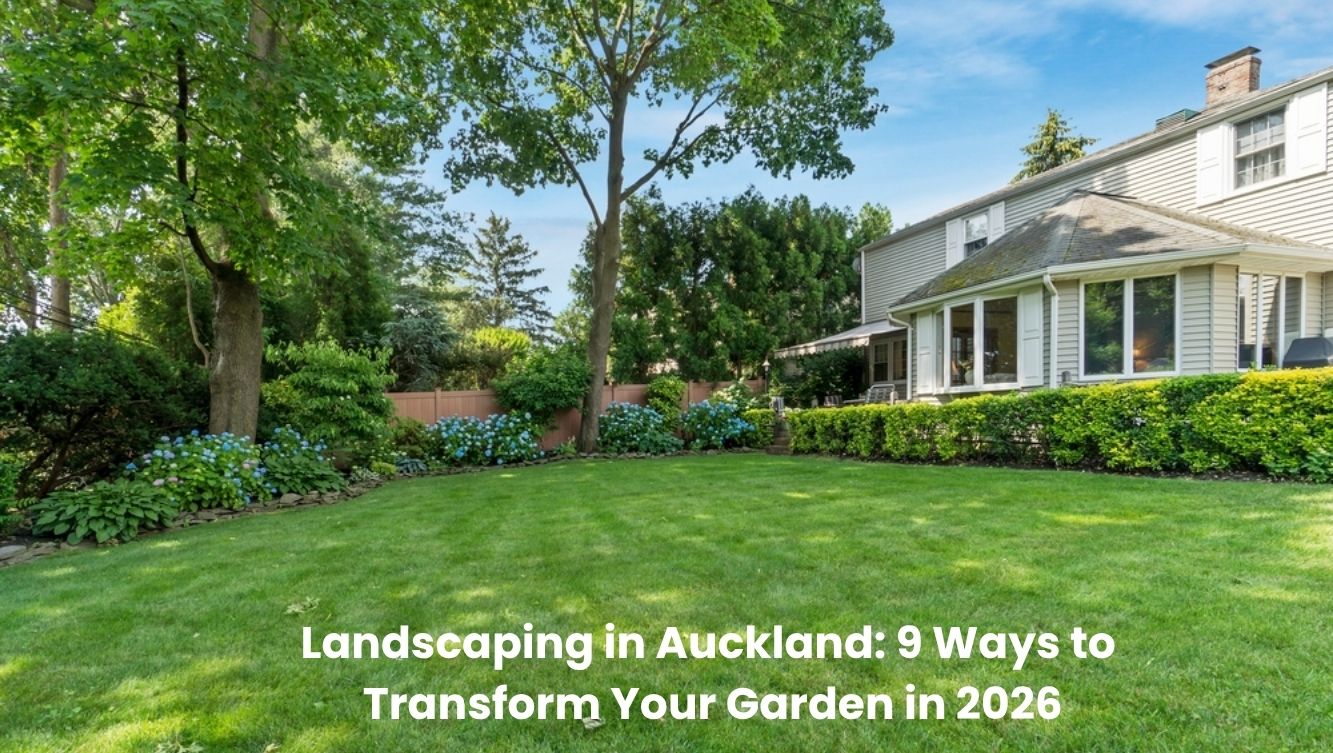
A well-designed garden can change how you experience your property. It can turn an unused backyard into a relaxing retreat, make a small front garden feel more welcoming, or give a commercial property a cleaner, more professional appearance. But creating an attractive outdoor space involves more than planting a few shrubs or keeping the grass short.
Good landscaping combines thoughtful design, suitable plants, healthy soil, effective drainage and regular maintenance. In Auckland, these details matter because changing rainfall, humid conditions and seasonal growth can affect how well a garden performs throughout the year.
For homeowners, landlords and businesses, 2026 is a good opportunity to rethink outdoor spaces with practical improvements that balance appearance and long-term care. You might want a greener lawn, a garden that requires less work, a more useful entertainment area or planting that suits the local environment.
This guide explores nine practical landscaping ideas for Auckland properties, explains how to plan improvements, highlights common mistakes and shows when professional garden care can make a difference.
What Is Landscaping and Why Does It Matter?
Quick Answer: Landscaping is the process of planning, improving and maintaining outdoor spaces using plants, lawns, paths, garden beds, drainage and other features. Effective landscaping makes a property more attractive, functional and easier to maintain while accounting for local weather, soil conditions, sunlight and the needs of the people using the space.
In simple terms, landscaping helps your garden work better as well as look better.
A successful design considers how people move through the space, where water collects, which areas receive sunlight and how much maintenance the property owner can manage.
For example, a family with children may need an open lawn and clearly defined garden borders. A townhouse owner may prefer containers, compact shrubs and a small paved seating area. A business may prioritise neat entrances, clear walkways and planting that stays presentable between maintenance visits.
The right solution depends on the property rather than following a single landscaping trend.
9 Landscaping Ideas to Transform Your Garden in 2026
1. Create a Healthy, Well-Maintained Lawn
A healthy lawn provides a clean visual base for almost any garden design. It connects different areas, softens paved surfaces and creates useful outdoor space for relaxing or playing.
However, a lawn can only look its best when its growing conditions are suitable. Before replacing damaged grass, identify what caused the problem.
Common causes include compacted soil, excessive shade, poor drainage, unsuitable mowing heights and weed competition.
To improve lawn health:
- Mow regularly without removing too much of the grass blade.
- Keep lawn edges neat along paths and garden beds.
- Remove weeds using methods appropriate for the lawn.
- Investigate persistent bare patches before reseeding or installing turf.
- Water according to rainfall, soil moisture and grass requirements.
- Apply fertilizer only when appropriate for the lawn’s condition.
A common mistake is cutting overgrown grass extremely short in one visit. This can stress the grass and expose the soil, making the lawn more vulnerable to weeds.
Professional lawn mowing and maintenance can help keep grass at a suitable height while identifying problems before they spread.
Best for: Family homes, rental properties, commercial grounds and gardens where a clean, open appearance matters.
2. Use Native Plants for a More Natural Garden
Native plants can add texture, structure and seasonal interest while supporting local wildlife when the right species are selected.
For Auckland gardens, consider suitable options such as mānuka, carex grasses, corokia and native ferns. Each has different requirements, so choose plants according to the available sunlight, soil moisture, exposure and mature size.
A sheltered courtyard may suit ferns and shade-tolerant plants, while a sunny border could accommodate different shrubs and grasses.
Native planting can also contribute to soil stability and rainwater management when species are selected for the conditions. However, not every native plant is suited to every site, and some still require regular pruning or watering while establishing.
A useful approach is to group plants with similar needs. This simplifies maintenance and makes it easier to water appropriately.
For additional guidance, visit Auckland Council for local information on native planting, biodiversity and garden practices.
Best for: Homeowners who want a garden with local character and planting suited to Auckland conditions.
3. Improve Drainage Before Adding New Features
Poor drainage can undermine an otherwise attractive landscaping project. Waterlogged soil may weaken grass, damage plant roots, leave muddy patches and make paths slippery.
Auckland’s periods of heavy rainfall make drainage worth checking before installing new turf, paving or garden beds.
Walk around the property after rain and look for areas where water collects. Check whether soil washes onto paths or whether grass repeatedly becomes thin in the same location.
Possible improvements include:
- Relieving soil compaction where appropriate.
- Adjusting garden bed levels where suitable.
- Choosing plants that tolerate the site’s moisture conditions.
- Installing a suitable drainage solution where required.
- Ensuring water is directed away from buildings appropriately.
Do not assume that adding topsoil will solve a waterlogging problem. If water cannot drain away, the issue may return after the next heavy rainfall.
For significant drainage problems, retaining walls or changes to land levels, consult a suitably qualified professional before proceeding. Some work may require approvals or specialist design.
Best for: Properties with muddy lawns, persistent puddles, sloping sections or recurring water damage.
4. Design an Outdoor Living Area
A garden becomes more useful when it supports the way you want to spend time outdoors.
A simple seating area, a small paved courtyard or a shaded corner surrounded by plants can make a noticeable difference without requiring a complete garden rebuild.
Start by identifying the main purpose of the space. Will it be used for family meals, entertaining guests, relaxing after work or welcoming customers?
Then consider access, privacy, shade and the amount of room needed to move comfortably.
For smaller Auckland properties, especially townhouses in areas such as Mount Eden and Ponsonby, compact furniture and vertical planting can help make the most of limited space.
Larger properties around Howick or the North Shore may have room for separate lawn, dining and garden areas.
Choose paving and other surfaces with suitable slip resistance, especially in areas exposed to rain. Leave enough space for plants to grow without blocking paths.
Best for: Homeowners who want to make better use of their backyards, courtyards or patios.
5. Refresh Garden Beds with Mulch and Suitable Planting
Garden beds can look neglected when weeds spread, plants become overcrowded and bare soil remains exposed.
Refreshing these areas does not always require replacing every plant. Start by removing weeds, cutting back growth where appropriate and checking whether existing plants have enough room.
Then fill gaps with plants suited to the location and apply a suitable mulch layer to cover exposed soil.
Mulch can help conserve moisture, reduce weed growth and moderate soil temperature. Keep it away from direct contact with stems and tree trunks, and avoid applying it so thickly that it interferes with water reaching the soil.
For a cohesive look, use a limited palette of plant types and repeat them in different areas. This creates visual continuity without making the garden overly complicated.
If the beds are shaded for most of the day, choose plants suited to low light rather than forcing sun-loving varieties to grow in unsuitable conditions.
Best for: Gardens with patchy planting, recurring weeds or too much exposed soil.
6. Add Structure with Hedges and Defined Edges
Hedges, shrubs and crisp garden edges help organise an outdoor space. They can separate the lawn from planting areas, frame paths and create privacy without needing major construction.
A well-maintained hedge can make a front garden look tidy, while carefully positioned shrubs can soften fences and walls.
When choosing plants, consider their mature height and width. Planting too close together may create overcrowding, restrict airflow and increase the amount of pruning required.
Regular trimming should also suit the plant’s growth habits. Not every shrub responds well to severe cutting, so identify the species before pruning deeply.
For busy households and commercial properties, scheduled hedge trimming can prevent growth from obstructing windows, entrances or pedestrian routes.
Remember to check for active bird nests before trimming and arrange specialist assistance for tall hedges or branches near power lines.
Best for: Front gardens, boundary planting, rental properties and business entrances.
7. Make Small Gardens Feel Larger
Small gardens benefit from clear layouts and carefully chosen features. Trying to include too many plants, pots and decorative items can make the space feel crowded.
Instead, create a simple visual structure.
Use one main focal point, such as a specimen plant, a small tree or an attractive seating area. Keep paths clear and repeat a few plant varieties to make the garden feel connected.
Other useful approaches include:
- Using vertical planters where suitable.
- Choosing compact plants that will not overwhelm the space.
- Keeping containers grouped rather than scattered randomly.
- Using consistent paving or edging materials.
- Leaving some open space rather than filling every corner.
Sunlight is particularly important in small courtyards because nearby walls and buildings can create deep shade. Check light levels before purchasing plants.
A compact garden can be easier to maintain than a large one when its layout is simple and its planting choices are suitable.
Best for: Townhouses, apartments with outdoor areas and narrow urban gardens.
8. Choose Low-Maintenance Landscaping
Low-maintenance landscaping is about reducing unnecessary work without sacrificing the garden’s appearance.
It does not mean creating a garden that requires no care. Plants still grow, weeds can appear, and lawns need attention. The aim is to choose a design that is easier to manage over time.
Practical ways to achieve this include:
- Selecting plants suited to the site’s soil and sunlight.
- Grouping plants with similar watering needs.
- Reducing unnecessary lawn areas where appropriate.
- Using mulch in suitable garden beds.
- Installing clear, accessible paths.
- Avoiding plants that regularly outgrow their available space.
For example, a homeowner who travels frequently might benefit from suitable established shrubs, mulched beds and a smaller lawn area. A business owner may prefer defined planting beds that remain tidy with scheduled visits.
Artificial turf is another option for certain spaces, but it is not automatically the best choice. Consider heat, drainage, installation quality and how the surface will be used before deciding.
Best for: Busy households, landlords, holiday homes and businesses seeking manageable outdoor areas.
9. Plan for Seasonal Growth and Future Changes
The best landscaping plans consider how a garden will develop over several years, not just how it looks on installation day.
Plants grow, trees create shade, roots spread and maintenance requirements change. A layout that looks spacious when newly planted may become crowded if mature plant sizes are ignored.
Think about future access for mowing, pruning and waste removal. Leave room around garden beds and ensure that paths remain usable as planting matures.
Seasonal planning also helps you schedule work appropriately.
- Spring: Assess lawn health, remove weeds and prepare planting areas.
- Summer: Monitor moisture, maintain suitable mowing heights and care for new plants.
- Autumn: Clear leaves, manage weeds and inspect drainage.
- Winter: Avoid damaging saturated lawns and plan improvements around suitable weather.
A written maintenance schedule can make the difference between a garden that stays attractive and one that gradually becomes overgrown.
Best for: Property owners who want long-term value from their landscaping investment.
How to Plan a Landscaping Project Without Wasting Money
Quick Answer: Begin with the garden’s existing problems, decide which improvements matter most, establish a budget and complete essential groundwork before investing in decorative features. This approach helps prevent spending money on new plants, lawns or paving that may be affected by unresolved drainage or soil problems.
Follow this practical sequence:
- Assess the site. Identify problem areas, sunlight patterns, access restrictions and drainage issues.
- Set priorities. Decide whether the main goal is better lawn health, improved appearance, easier maintenance or more outdoor living space.
- Create a realistic budget. Separate essential repairs from optional improvements.
- Complete groundwork first. Address drainage, soil preparation and major layout changes before planting.
- Choose suitable materials and plants. Consider durability, mature plant size and ongoing care requirements.
- Arrange regular maintenance. Plan mowing, pruning, weed control and garden clean-ups before the project is finished.
You do not need to complete every improvement at once. Dividing a project into stages can make costs easier to manage while allowing you to see how each change works.
For larger projects involving retaining walls, major excavation, significant tree work or drainage changes, seek appropriate professional advice and confirm any applicable consent requirements.
How Professional Landscapers in Auckland Can Help
Professional landscaping services can help property owners plan improvements, select suitable plants and organise the work needed to make an outdoor space more practical.
Depending on the provider, services may include garden bed preparation, planting, lawn installation, path improvements, hedge trimming and ongoing garden maintenance.
When comparing landscapers Auckland property owners should consider, ask whether the company handles the full project or focuses on specific services. Some providers specialise in landscape design and construction, while others concentrate on lawn care and regular gardening.
The distinction matters. A garden may need a landscape contractor for a major redesign, followed by a garden maintenance provider to keep the lawn and planting in good condition.
Before booking, ask for a clear scope of work, a breakdown of materials and labour where appropriate, and an explanation of any exclusions.
Also discuss how the finished garden will be maintained. A design that looks impressive but requires more work than you can manage may not be the right solution.
Common Landscaping Mistakes to Avoid
Even attractive designs can create problems when practical details are overlooked.
Choosing plants without checking conditions: A plant that thrives in full sun may struggle in a shaded courtyard.
Ignoring mature plant size: Overcrowded planting can lead to excessive pruning and competition for light.
Installing turf before fixing drainage: New grass may struggle if the underlying soil remains waterlogged or compacted.
Overcomplicating the design: Too many plant varieties and features can make maintenance harder and reduce visual consistency.
Neglecting ongoing lawn care: Freshly landscaped gardens still need mowing, watering, weeding and appropriate seasonal attention.
Choosing a provider on price alone: A low quote may exclude essential work, waste removal or materials. Compare the full scope before making a decision.
The most successful landscaping projects balance appearance with the realities of the site and the time available for maintenance.
Why Garden Experts Is Worth Considering for Ongoing Garden Care
A well-landscaped garden needs consistent care after the initial improvements are complete. Grass continues to grow, hedges need trimming and garden beds require periodic attention.
Garden Experts helps Auckland homeowners, property owners and businesses maintain their outdoor spaces through services such as lawn mowing, garden clean-ups, hedge trimming and general garden maintenance.
These services can support the ongoing upkeep of landscaped areas, helping lawns remain tidy and garden beds stay manageable.
For example, after a garden has been refreshed with new planting and defined lawn edges, regular mowing and garden maintenance can help preserve its appearance. If an existing property is overgrown, a clean-up may be a practical first step before deciding whether larger landscaping changes are needed.
Garden Experts is a useful option to explore if you need help with the maintenance side of your outdoor project. You can visit Garden Experts to learn more about its services and discuss the requirements of your property.
For major construction or specialist landscaping work, confirm that the provider offers the specific service you need or ask which type of contractor would be appropriate.
Transform Your Garden with the Right Landscaping Plan
Effective landscaping is about creating an outdoor space that looks good, suits your lifestyle and remains manageable over time. From improving lawn health and adding native plants to correcting drainage and creating outdoor living areas, the right changes can make a noticeable difference to your property.
Start with the essentials. Understand your soil and drainage, select plants suited to the conditions, avoid unnecessary complexity and plan for seasonal maintenance. When a project involves specialist construction or major changes, seek advice from an appropriately qualified professional.
For Auckland homeowners and businesses, combining thoughtful landscaping with reliable lawn care and garden maintenance helps protect the results of your investment.
Garden Experts can assist with the ongoing care that keeps outdoor spaces tidy and healthy. If your lawn needs attention or your garden has become difficult to manage, consider discussing your requirements with the team and planning the next steps for your property.
Frequently Asked Questions About Landscaping in Auckland
1. What are the best landscaping ideas for Auckland gardens in 2026?
Healthy lawns, suitable native plants, defined garden beds, better drainage and low-maintenance planting are practical choices. The best combination depends on the property’s size, sunlight, soil and how you want to use the outdoor space.
2. How do I find landscapers near me in Auckland?
Search for landscaping near me and compare providers based on their services, relevant experience, reviews and quotes. Confirm that they cover your suburb and can complete the type of work your garden requires.
3. What is the difference between landscaping and garden maintenance?
Landscaping involves planning or changing an outdoor space through planting, layout, paths, lawns and other features. Garden maintenance focuses on keeping that space in good condition through mowing, pruning, weeding and routine care.
4. How can I make my garden easier to maintain?
Choose plants suited to your site’s conditions, group plants with similar watering needs, use suitable mulch and keep paths and lawn edges simple. Regular maintenance can prevent small issues from becoming larger jobs.
5. When is the best time for landscaping in Auckland?
Many landscaping tasks can be completed throughout the year, but the best timing depends on the work and weather. Avoid major soil work when the ground is saturated, and schedule planting and lawn installation according to suitable growing conditions.
6. Do garden experts provide landscaping and lawn care services?
Garden Experts provides lawn mowing, garden clean-ups, hedge trimming and related garden maintenance. Contact the team to confirm whether your particular project is covered and discuss the ongoing care your garden may need.