
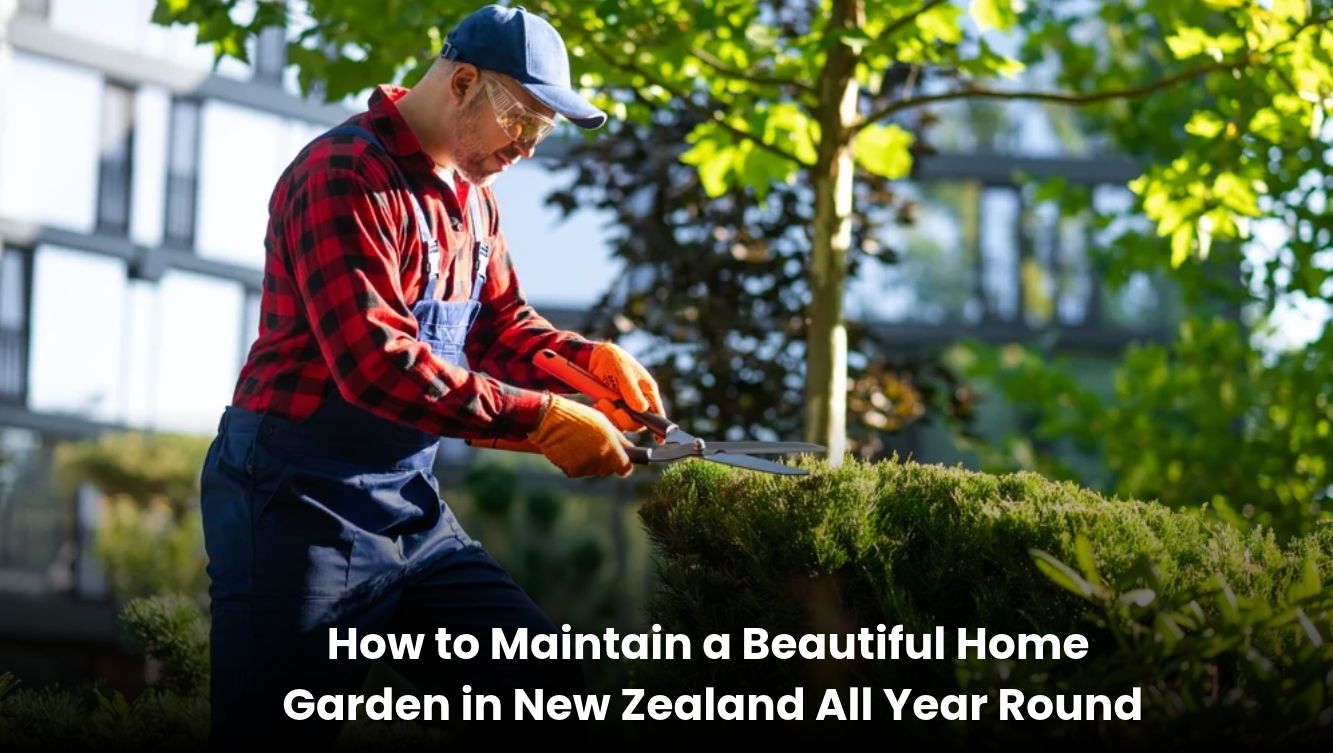
A beautiful home garden does not happen by accident. It takes regular attention, suitable plants, healthy soil, proper watering, and seasonal maintenance. In New Zealand, changing weather conditions can make gardening challenging. A garden that looks fresh and colourful in spring may struggle with dry summer conditions, falling leaves in autumn, or wet and cold winter weather.
For homeowners and property owners, residential gardening is about more than keeping outdoor spaces attractive. It also helps protect plant health, maintain a tidy property, improve outdoor living areas, and prevent small problems from becoming expensive maintenance issues.
Whether you have a compact backyard, a large lawn, decorative garden beds, or an outdoor space surrounding a rental property, the right maintenance routine can make a noticeable difference.
This guide explains how to maintain a beautiful home garden throughout the year in New Zealand, including seasonal gardening tasks, lawn care advice, watering strategies, common mistakes, and the benefits of professional residential gardening services.
What Is Residential Gardening?
Residential gardening is the regular care and improvement of gardens around homes and residential properties. It includes activities such as lawn mowing, weeding, pruning, watering, planting, soil improvement, hedge trimming, and general garden maintenance.
The purpose is to keep outdoor spaces healthy, functional, safe, and visually appealing throughout the year.
Residential gardening can include:
- Lawn mowing and lawn maintenance
- Garden bed preparation and planting
- Weed removal and prevention
- Hedge trimming and shrub pruning
- Watering and soil care
- Seasonal garden clean-ups
- Mulching and composting
- General outdoor property maintenance
A consistent approach is important. Instead of waiting until the garden becomes overgrown, regular maintenance helps keep everything manageable.
Why Does Your Home Garden Need Attention Throughout the Year?
New Zealand’s climate varies between regions. Auckland experiences relatively mild winters and humid conditions, while areas such as Canterbury can have colder winters and hotter, drier summers. Wellington’s wind can also affect plant growth and moisture levels.
These differences mean that a single gardening routine will not work equally well everywhere.
Regular garden maintenance helps homeowners:
- Keep lawns healthy and presentable.
- Reduce weed growth before it spreads.
- Protect plants from seasonal stress.
- Improve soil condition and drainage.
- Prevent hedges and shrubs from becoming overgrown.
- Maintain clean and usable outdoor spaces.
- Identify pests, diseases, and plant problems early.
Quick Answer: How often should a home garden be maintained?
Most home gardens benefit from weekly or fortnightly attention, with larger seasonal tasks carried out as needed. The exact schedule depends on garden size, plant types, rainfall, soil conditions, and how quickly the lawn and vegetation grow.
Your Year-Round Residential Gardening Calendar for New Zealand
The easiest way to maintain a beautiful garden is to work with the seasons rather than against them. Each season brings different gardening priorities.
1. Spring: Prepare Your Garden for New Growth
Spring is an important time for residential garden maintenance. As temperatures become warmer and daylight increases, many plants begin growing actively.
However, this growth can also bring weeds, uneven lawns, and untidy garden beds.
Important spring gardening tasks include:
- Remove weeds from lawns, paths, and garden beds.
- Mow the lawn when the grass is actively growing and conditions are suitable.
- Trim damaged or dead plant material.
- Add compost to suitable garden beds.
- Refresh mulch where necessary.
- Plant suitable flowers, shrubs, and seasonal vegetables.
- Check irrigation systems and garden hoses.
- Inspect plants for early signs of pests and disease.
Spring is also a good time to assess drainage. If parts of your lawn remain waterlogged after rainfall, investigate soil compaction, drainage issues, and the condition of the surrounding ground.
Expert insight: Avoid cutting your lawn too short during the first few spring mows. Grass needs enough leaf surface to support healthy growth. Gradual mowing is generally better than removing a large amount of grass at once.
2. Summer: Protect Your Lawn and Plants from Heat
Summer can be challenging for New Zealand gardens, particularly during dry spells. High temperatures and limited rainfall can cause lawns to lose colour, garden beds to dry out, and newly planted shrubs to struggle.
Water management becomes especially important.
Summer garden maintenance tips:
- Water deeply when necessary rather than lightly every day.
- Water early in the morning to reduce evaporation.
- Check soil moisture before watering.
- Maintain a suitable mowing height for your grass type.
- Keep mulch around garden plants to help retain soil moisture.
- Remove weeds before they compete with plants for water.
- Monitor newly planted trees and shrubs.
- Avoid unnecessary heavy pruning during periods of heat stress.
A common mistake is watering only the surface of the soil. This may encourage shallow root growth and leave plants more vulnerable during dry weather.
Mulching is another useful summer practice. Organic mulch, such as bark or composted material, can help reduce moisture loss and limit weed growth. Keep mulch away from direct contact with plant stems and tree trunks.
In simple terms: Summer gardening is about protecting moisture, reducing unnecessary stress, and helping plants cope with warmer conditions.
3. Autumn: Clean, Prepare, and Strengthen Your Garden
Autumn is a transition period. Temperatures begin to fall, leaves drop from many trees, and plant growth may slow down.
It is an ideal time to prepare your outdoor space for winter.
Autumn residential gardening tasks include:
- Collect fallen leaves from lawns and pathways.
- Remove dead plants and unwanted vegetation.
- Clear garden debris from drainage areas.
- Trim hedges and shrubs when appropriate for their species.
- Add compost to suitable garden beds.
- Repair bare or damaged lawn areas where conditions allow.
- Check garden drainage before heavier winter rainfall.
- Plant suitable trees, shrubs, and bulbs according to local conditions.
Fallen leaves can be useful when composted or used as suitable leaf mulch. However, thick layers left on a lawn can block light and trap moisture, potentially contributing to lawn damage.
Autumn is also a practical time to review the overall condition of your garden. Look for areas that need replanting, soil improvement, or better drainage.
4. Winter: Maintain Your Garden Without Overworking It
Winter does not mean garden maintenance should stop. Although many plants grow more slowly, lawns, paths, hedges, and garden beds still need attention.
Wet soil and reduced sunlight can create additional challenges.
Winter gardening tasks include:
- Remove weeds when soil conditions allow.
- Clear leaves and debris from pathways.
- Keep drains and outdoor areas free from blockages.
- Avoid mowing waterlogged or excessively soft lawns.
- Prune plants only when appropriate for their species.
- Check for damaged branches after strong winds.
- Monitor garden beds for waterlogging.
- Protect vulnerable plants from frost where necessary.
One of the biggest mistakes during winter is walking or using heavy equipment on saturated lawns. This can compact the soil and damage grass roots.
Winter is also a useful time to plan improvements for spring. You can identify where new plants, garden edging, lawn repairs, or landscaping changes may be needed.
Seasonal Gardening Summary
| Season | Main priority | Important tasks |
| Spring | Encourage healthy growth | Weeding, mowing, planting, soil preparation |
| Summer | Protect against heat and dryness | Watering, mulching, careful mowing |
| Autumn | Prepare for colder weather | Leaf removal, drainage checks, clean-ups |
| Winter | Protect and maintain | Debris removal, drainage, careful pruning |
How to Keep Your Lawn Healthy as Part of Residential Gardening
A healthy lawn is often one of the most visible parts of a home garden. However, maintaining it requires more than regular mowing.
Good lawn care involves understanding grass growth, soil condition, water requirements, and seasonal changes.
Mow at the Right Height
Cutting grass too short can weaken it and expose the soil to sunlight. This may increase moisture loss and create opportunities for weeds.
Follow these basic mowing practices:
- Avoid removing too much grass in one mowing session.
- Use sharp mower blades for a clean cut.
- Adjust mowing frequency according to growth.
- Avoid mowing when the lawn is waterlogged.
- Leave the grass at a suitable height for its variety and conditions.
Water According to Soil Conditions
Not every lawn needs the same amount of water. Sandy soils may drain quickly, while heavier clay soils can retain moisture for longer.
Check the soil before watering. If it is already moist below the surface, additional watering may not be necessary.
Improve Soil Health
Healthy soil supports stronger roots and more reliable lawn growth.
Depending on the lawn’s condition, useful practices may include:
- Applying suitable organic matter.
- Aerating compacted areas.
- Improving drainage.
- Using an appropriate fertilizer when needed.
- Repairing bare patches with suitable grass varieties.
Quick Answer: What is the best way to keep a home lawn healthy?
Mow at an appropriate height, water according to soil moisture, improve soil condition, remove weeds, and adjust maintenance to the season. Consistent care is more effective than trying to fix several lawn problems at once.
Garden Maintenance Tasks Homeowners Should Never Ignore
Some garden tasks may seem small, but delaying them can create larger problems.
Weed Control
Weeds compete with desirable plants for water, nutrients, and sunlight. Remove them before they produce seeds or spread across garden beds.
For long-term control, identify the weed and use an appropriate removal method rather than treating every plant the same way.
Hedge Trimming and Pruning
Overgrown hedges can block natural light, affect access, and make outdoor spaces look untidy.
Trim hedges according to their growth habits and the best pruning time for the species. Avoid heavy pruning during unsuitable weather or when plants are flowering if doing so would damage their growth or reduce flowering.
Mulching and Garden Bed Care
Mulch helps regulate soil temperature, reduce evaporation, and suppress weeds. It also gives garden beds a cleaner appearance.
Before applying fresh mulch, remove weeds and check the soil moisture. Avoid piling mulch against stems or tree trunks.
Drainage and Garden Clean-Ups
Blocked drainage areas can contribute to standing water and damage to lawns and plants.
Keep gutters, garden drains, and outdoor pathways clear of leaves and debris. If water regularly collects in the same garden area, investigate the underlying drainage problem rather than repeatedly removing surface water.
Common Residential Gardening Mistakes to Avoid
Even well-intentioned homeowners can make mistakes that affect garden health.
Here are some common problems:
- Overwatering plants
Too much water can reduce oxygen around roots and encourage root problems. Check the soil before watering.
- Cutting grass too short
Very short mowing can weaken grass and make the lawn more vulnerable to heat and weeds.
- Ignoring seasonal changes
A summer watering routine may not be suitable during winter. Adjust maintenance according to temperature, rainfall, and plant growth.
- Using the wrong plants
Some plants need more sunlight, moisture, or space than a particular garden can provide. Choose plants suited to your local conditions.
- Delaying weed removal
Small weeds are generally easier to manage than established weeds that have spread or produced seeds.
- Pruning without understanding the plant
Different shrubs and trees have different pruning requirements. Incorrect timing or excessive cutting can affect flowering and future growth.
- Ignoring soil and drainage
Poor soil structure and waterlogging can undermine even a well-maintained garden.
The most effective residential gardening approach is preventive. Identify problems early and address their causes instead of relying on repeated quick fixes.
How Professional Residential Gardening Services Help
Maintaining a garden takes time, knowledge, and consistent effort. For busy homeowners, landlords, and property managers, professional support can make routine garden care easier.
Residential gardening services typically provide practical assistance with lawn mowing, garden maintenance, weed control, hedge trimming, and seasonal outdoor clean-ups.
A professional gardener can help by:
- Assessing the general condition of your garden.
- Identifying overgrown or damaged areas.
- Maintaining lawns at a suitable height.
- Removing weeds and unwanted vegetation.
- Trimming hedges and managing shrubs.
- Keeping garden beds tidy.
- Recommending suitable seasonal maintenance.
- Helping identify drainage and soil concerns.
What Does a Residential Gardener Actually Do?
A residential gardener looks after the outdoor areas around a property. The work may include routine mowing, pruning, weeding, planting, garden clean-ups, and general maintenance.
The exact service depends on the property and the homeowner’s requirements.
For example, a family with a large backyard may need regular lawn mowing and hedge trimming. A homeowner with decorative garden beds may need more attention to planting, pruning, and weed management.
Businesses and rental property owners may also benefit from scheduled maintenance that keeps outdoor areas neat and presentable.
When Should You Hire a Professional Gardener?
Consider professional help when:
- Your lawn grows faster than you can maintain it.
- Garden beds are becoming overgrown.
- Hedges need regular trimming.
- Weeds keep returning.
- You are unsure how to care for particular plants.
- Your property needs seasonal clean-ups.
- You want a consistent garden maintenance schedule.
Choosing a reliable provider of home gardening services can help prevent maintenance from becoming an ongoing problem.
Residential Gardening in Auckland and Other New Zealand Locations
Local conditions should influence how a garden is maintained.
In Auckland, humidity, rainfall, and warm growing periods can encourage rapid lawn and plant growth. Regular mowing, weed control, and drainage checks are useful for many properties.
In Wellington, strong winds can affect exposed plants, damage branches, and dry out some garden areas. Plant selection and suitable shelter can make a difference.
In Hamilton, seasonal rainfall and soil conditions should be considered when planning lawn care and garden drainage.
In Tauranga, warmer conditions and coastal influences may affect plant selection and watering requirements.
In Christchurch, colder winters and drier summer periods can require a different lawn and garden maintenance schedule.
Across New Zealand, the best results come from selecting suitable plants and adjusting maintenance to local soil, weather, and property conditions.
How Garden Experts Helps Maintain Beautiful Home Gardens
Keeping a garden attractive throughout the year requires more than occasional mowing or a seasonal clean-up. It needs a practical maintenance routine that considers lawn growth, plant health, weeds, soil condition, and the changing weather.
Garden Experts supports homeowners and property owners with professional lawn care and gardening services designed to keep outdoor spaces neat, healthy, and manageable.
Services can include:
- Lawn mowing and regular lawn maintenance.
- General residential garden maintenance.
- Hedge trimming and shrub care.
- Weed removal and garden clean-ups.
- Seasonal garden care.
- General gardening support for residential properties.
For homeowners looking for a residential gardener in Auckland, choosing a service provider that understands regular property maintenance can make outdoor care more manageable.
Garden Experts can help take care of routine gardening tasks so property owners have more time to enjoy their outdoor spaces.
Whether you need regular lawn mowing, help with an overgrown garden, or ongoing garden maintenance for your home, professional support can help maintain a more consistent standard throughout the year.
A Simple Year-Round Garden Maintenance Routine
You do not need to spend every weekend working in your garden. A simple schedule can make maintenance easier.
Weekly or fortnightly:
- Check lawn growth and mow when required.
- Remove visible weeds.
- Water plants when soil conditions require it.
- Clear leaves and small debris.
- Check for signs of plant stress.
Monthly:
- Inspect hedges and shrubs.
- Check garden beds and mulch.
- Look for drainage problems.
- Remove dead or damaged plant material.
- Review lawn condition.
Seasonally:
- Adjust mowing and watering routines.
- Prepare garden beds for seasonal planting.
- Complete larger pruning tasks at suitable times.
- Clean outdoor areas and drainage points.
- Assess whether professional maintenance is needed.
The schedule should be flexible. A garden may need more attention during active growing periods and less during colder months.
What Does the Future of Home Gardening in New Zealand Look Like?
Home gardening is increasingly focused on practical, sustainable, and lower-maintenance outdoor spaces.
Several approaches are becoming especially useful for homeowners:
Water-conscious gardening: Choosing suitable plants, improving soil, and using mulch can help reduce unnecessary water use.
Native and climate-suitable plants: Native plants and other varieties suited to local conditions can support a garden that is easier to manage when selected carefully.
Composting and organic matter: Reusing suitable garden waste can improve soil structure and reduce the amount of green waste sent away.
Pollinator-friendly planting: Flowers that provide food for bees and other beneficial insects can make gardens more supportive of local biodiversity.
Smarter watering: Timers, drip irrigation, and soil-moisture checks can help homeowners avoid both overwatering and underwatering.
The future of residential gardening is not simply about making gardens look attractive. It is about creating outdoor spaces that are healthier, more practical, and easier to maintain over time.
Conclusion: Make Garden Care a Year-Round Priority
A beautiful home garden in New Zealand depends on regular attention and an understanding of seasonal changes. Spring is the time to encourage new growth, summer requires careful watering, autumn is ideal for preparation, and winter is about protecting the garden and managing wet conditions.
Healthy lawns, tidy garden beds, well-maintained hedges, suitable plants, and good soil management all contribute to an outdoor space that looks attractive throughout the year.
The key is to deal with small maintenance tasks before they become bigger problems. A practical schedule can help, but professional support makes it easier to maintain consistent results when time or gardening knowledge is limited.
Garden Experts provides professional lawn mowing, lawn care, and garden maintenance services to help homeowners and property owners look after their outdoor spaces.
If you want a healthier lawn and a garden that stays neat throughout the seasons, consider making professional residential gardening part of your regular property maintenance plan.
Frequently Asked Questions About Residential Gardening
1. How often should I maintain my home garden in New Zealand?
Most home gardens benefit from weekly or fortnightly attention. Lawn mowing, weeding, watering, and general tidying should be adjusted according to the season, weather, and rate of plant growth.
2. What is included in residential gardening services?
Residential gardening services can include lawn mowing, hedge trimming, pruning, weed removal, planting, garden clean-ups, mulching, and general garden maintenance. The exact work depends on the property’s needs.
3. How do I keep my garden looking good throughout the year?
Follow a seasonal maintenance routine. Prepare your garden in spring, protect plants from summer heat, clean up in autumn, and manage drainage and debris during winter.
4. When should I hire a residential gardener in Auckland?
You can hire a residential gardener in Auckland when your garden needs regular mowing, hedge trimming, weed control, seasonal clean-ups, or ongoing maintenance that is difficult to manage yourself.
5. How can I reduce weeds in my home garden?
Remove weeds early, maintain healthy lawn coverage, use suitable mulch in garden beds, and avoid leaving bare soil exposed for long periods. Identify persistent weeds before choosing a control method.
6. Are professional home gardening services worth it?
Professional home gardening services can save time and help maintain a consistent standard of outdoor care. They are particularly useful for busy homeowners, rental property owners, and people with larger or more demanding gardens.